Why L-Theanine Outpaced Polyamines in the 1960s
05/30/2026 12:08:52
In the annals of the global nutritional market, the prioritization of certain bioactive compounds over others is rarely a matter of biochemistry alone. While polyamines and complex amino acids often share similar functional benefits, their market trajectories diverged sharply midway through the 20th century. By analyzing the 1960s Japanese market, it becomes clear why L-Theanine achieved iconic status decades before its polyamine counterparts. Today, the ingredient’s legacy lives on in forms like Bulk L-theanine powder and L-theanine raw material bulk, which continue to dominate modern supply chains.
1960s Japanese Zen Branding & Natural L-theanine from green tea
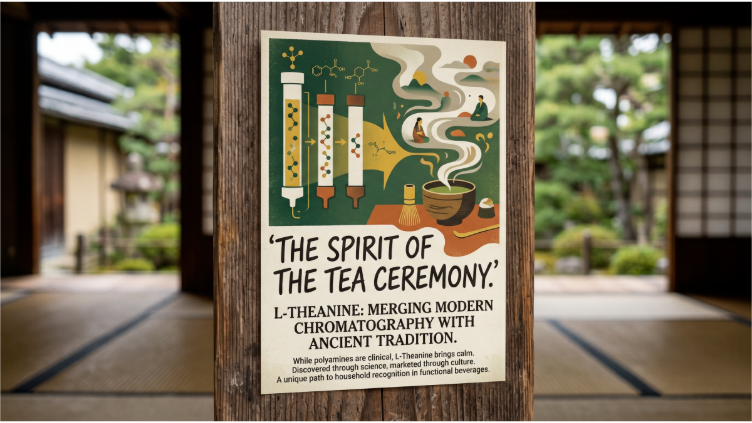
The rise of L-Theanine is inextricably linked to the cultural zeitgeist of post-war Japan. During the 1960s, the "Zen Branding" of functional foods became a pivotal marketing strategy for Japanese food conglomerates. While polyamines (such as Spermidine) were viewed through a strictly clinical lens, L-Theanine was successfully marketed as the "Spirit of the Tea Ceremony," merging modern chromatography with ancient tradition. This cultural synergy allowed L-Theanine to transition from a laboratory isolate to a household name in Japanese functional beverages long before it reached Western shores [2]. Fast‑forward to today, Wholesale L-theanine suppliers have made this revered compound accessible worldwide, while Non-GMO L-theanine bulk and Organic L-theanine tea extract cater to the clean‑label movement.
Data Comparison of Historical Market Adoption
Market penetration in Japanese Functional Foods (1965-1970 Estimates):
L-Theanine Integrated Products: 12.5% market share in the premium tea segment
Spermidine/Putrescine (Polyamines): < 0.5% market share (limited to clinical research)
Standard L-Glutamic Acid: 35% market share (primarily as flavor enhancers/MSG)
While polyamines were recognized for their cellular aging benefits even then, the flavor profile of polyamines — often described as bitter or pungent — limited their "sharing‑style" blog appeal and consumer acceptance compared to the savory "Umami" sweetness of L-Theanine. Modern manufacturers now rely on Bulk L-theanine powder and L-theanine raw material bulk to preserve that signature umami taste, ensuring product consistency across teas, beverages, and supplements.
The Strategic Advantage of Organoleptic Profiles
The primary differentiator in the "Polyamines vs. Amino Acids" debate was sensorial. Traditional Japanese sharing‑style social circles favored ingredients that enhanced the ritualistic experience of consumption. L-Theanine's ability to antagonize the bitter effects of caffeine without altering the beverage's clarity gave it a decisive advantage. In contrast, polyamines required complex encapsulation techniques that were simply not scalable in the 1960s pre‑encapsulation era. Today, smart formulators choose Non-GMO L-theanine bulk or Organic L-theanine tea extract to meet both sensory and sustainability goals, proving that the 1960s lesson still guides innovation.
Leadingnutra Good L-Theanine Supplier
Leadingnutra your trusted L-theanine manufacturer, offering premium Bulk L-theanine powder, Wholesale L-theanine, and Organic L-theanine tea extract. Contact us today to elevate your formulations with nature‑inspired purity.
[1] Frontiers in Pharmacology - Historical Evolution of Functional Amino Acids in Asia.
[2] Journal of Nutritional Science and Vitaminology - The History of Theanine Research in Japan (1950-1970).
[3] ResearchGate - Comparative Market Trends of Polyamines and Amino Analogues.
[4] PubMed Central - Sensory Characteristics of L-Theanine in Functional Beverages.
[5] ScienceDirect - Clean Label Trends and Amino Acid Ingredients.